
Why Weather and Proper Curing Make or Break Your New Driveway
Temperature plays a huge role in how well a new driveway turns out. If it is too hot or too cold, the concrete can crack, weaken, or cure unevenly. Proper curing helps the surface harden at the right speed and gain strength over time. During any concrete driveway installation, managing heat, cold, and moisture is just as important as pouring and finishing the mix.
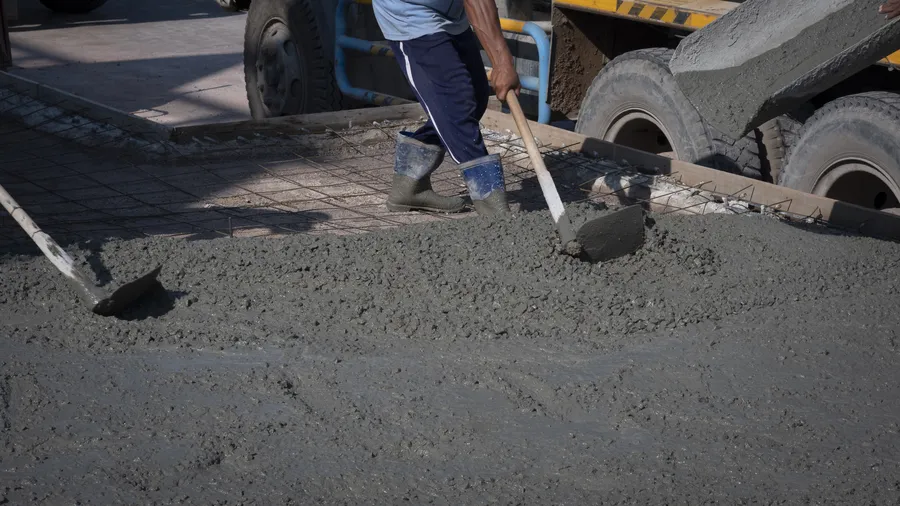
Why Temperature Control Matters
Concrete does not dry. It cures. That means it goes through a chemical reaction as it hardens. This reaction works best in moderate weather. When air temperatures sit between 50 and 80 degrees Fahrenheit, conditions are usually ideal.
If it is too hot, the water in the mix can evaporate too fast. This may cause surface cracks and weak spots. If it is too cold, the curing process slows down. In freezing weather, water inside the mix can expand and damage the slab before it gains strength.
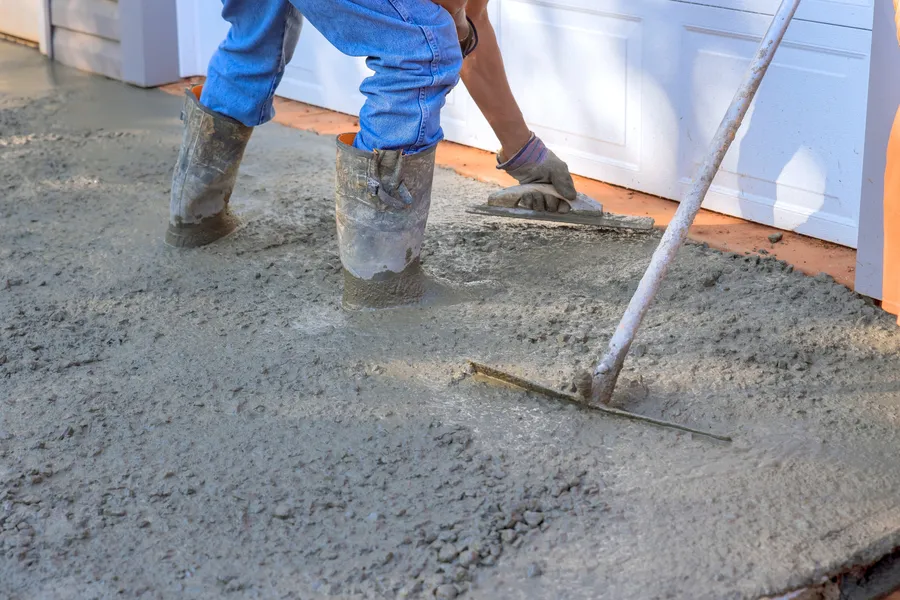
This is why timing and planning matter so much in any concrete driveway installation.
What Happens in Hot Weather
Hot weather creates fast drying on the surface. The top layer may harden before the bottom sets properly. This can lead to:
- Surface cracking
- Dusty or chalky finish
- Lower overall strength
- Shorter lifespan
Contractors often pour early in the morning during summer. They may also use curing blankets or water mist to keep moisture in the slab. Shade and wind blocks can help slow down evaporation.
What Happens in Cold Weather
Cold air slows down the chemical reaction needed for curing. If temperatures drop below 40 degrees Fahrenheit, progress becomes very slow. If it freezes, damage can happen before the concrete reaches safe strength.
In colder months, crews may:
- Use heated water in the mix
- Add special cold-weather additives
- Cover the slab with insulated blankets
- Block wind to keep warmth in
These steps protect the driveway during the first few days, which are the most sensitive.
The Curing Process Step by Step
Proper curing takes time. Rushing it can lead to long-term problems. While every job is a bit different, the basic process follows these steps:
- Pour and level the concrete.
- Finish the surface with the right texture.
- Allow initial set, usually within several hours.
- Apply curing method such as water spray, plastic covering, or curing compound.
- Keep the surface moist for at least 3 to 7 days.
- Limit vehicle traffic for about 7 days or more.
Even after a week, concrete continues gaining strength for several weeks. That is why heavy loads should wait if possible.
Common Mistakes That Cause Curing Problems
Many issues come from simple timing errors or lack of protection. Here are common mistakes people make during concrete driveway installation:
- Pouring during extreme heat without moisture control
- Pouring when freezing temperatures are expected overnight
- Removing forms or allowing traffic too early
- Skipping curing steps to save time
Some homeowners think spraying water once is enough. In reality, curing takes consistent attention for several days.
How Weather Affects Long-Term Durability
Driveways face years of sun, rain, and temperature swings. If the slab was not cured correctly from day one, small cracks can grow over time. Water can seep in, freeze, and expand. This leads to more cracking and surface damage.
Good curing builds strong internal bonds. This helps the driveway resist vehicle weight, seasonal shifts, and daily wear. Quality work at the start means fewer repairs later.
When to Call a Professional
Small concrete projects may seem simple, but driveways require planning and experience. Soil prep, thickness, joint placement, and weather timing must all line up. If you are unsure about forecast conditions or curing methods, hiring a pro is often the safer choice.
A trained contractor knows how to adjust for local climate and soil types. Whether it is standard concrete work or another type of , proper curing practices protect your investment.
Get Help With Your Driveway Project
If you are planning a driveway in Chattanooga, TN, I can help you choose the right timing and curing plan for lasting results. At Velasquez Concrete LLC, I handle every concrete driveway installation with careful attention to temperature and moisture control. Call me at (423) 617-4421 to talk about your project and schedule a time that works best for your property.